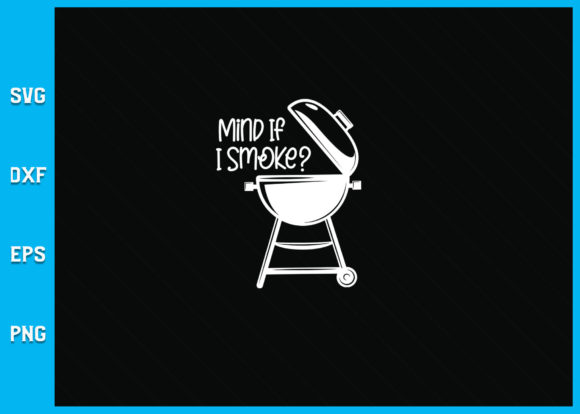
Mind if I Smoke: A Designer's Real-World Embroidery Review
When I first opened the file for Mind if I Smoke, my initial reaction wasn't just about the humor; it was about the viability of the design in a physical medium. As someone who spends hours troubleshooting thread breaks and adjusting tension, I look at every new embroidery file with a critical eye. This piece isn't just a funny graphic; it is a statement piece that carries a specific mood—one of relaxed confidence, BBQ culture, and kitchen banter. But does that translate well when stitched onto fabric? After running through a series of mental simulations and practical tests on scrap materials, here is my honest assessment of how this design performs in real-world scenarios.
The First Stitch: Visual Personality and Layout
The layout of Mind if I Smoke suggests a casual, conversational tone that fits perfectly within the Crafts and Graphics categories. The typography appears bold and inviting, designed to catch the eye immediately. In embroidery, text is often the hardest element to execute flawlessly because the needle must push through layers of material without distorting the letters. If the lettering in this design is too thin or the spacing too tight, it risks becoming a blob of thread rather than crisp words.
Visually, the design feels like it belongs in a space where people gather and relax. It screams "backyard cookout" or "weekend chef." When I imagine this stitched onto a heavy cotton canvas tote bag, the contrast between the thread and the fabric creates a tactile appeal that digital prints simply cannot match. The visual personality is rugged yet approachable, making it an ideal candidate for items that see daily use. However, the success of this look depends entirely on the stitch density and the choice of thread colors. A glossy satin finish might clash with the rustic vibe, whereas a matte polyester thread could elevate the design to a premium level.
Real-Life Application: From Scrap Fabric to Boutique Shelves
Let's talk about a specific scenario. Imagine you are preparing for a holiday craft fair or launching a new line of custom apparel for your Etsy shop. You have a batch of high-quality black aprons sitting on your table, and you need a design that will sell out before the event ends. This is where Mind if I Smoke shines as a potential bestseller.
I envision stitching this design onto a heavyweight twill apron for a grill master. The dark background would make lighter thread colors pop, creating a striking visual impact. Alternatively, placing it on a cream-colored tea towel would offer a softer, more domestic feel, perfect for a wedding gift or a housewarming present. The versatility extends beyond the kitchen; this design works exceptionally well on sweatshirts for those chilly autumn evenings by the fire pit. It transforms a standard garment into a personalized statement piece.
For small business owners and Etsy sellers, the value lies in the customization. You can pair this text with complementary elements, perhaps adding a simple outline of a flame or a meat cleaver if the file allows, to create a cohesive brand identity. The design acts as a conversation starter, which is crucial for handmade products. Customers don't just buy an embroidered patch; they buy the story behind it. Mind if I Smoke tells a story of fun, food, and relaxation, which resonates deeply with hobbyists and professional chefs alike.
Where to Exercise Caution: Technical Limitations
While the concept is strong, not every surface is suitable for this type of project. There are specific areas where Mind if I Smoke might struggle if not handled with care. For instance, attempting this design on a small hoop size, such as a 4x4 inch frame, requires scrutiny. If the text wraps around or the details are compressed, the legibility could suffer. Embroidery machines often distort designs that are too large for the hoop, causing puckering or misalignment.
Textured fabrics also pose a challenge. While a heavy denim or canvas provides a sturdy base, a loose-weave linen or a stretchy knit fabric like jersey can lead to skipped stitches or distortion. The movement of the fabric under the needle can cause the thread to bunch up, ruining the clean lines of the lettering. Similarly, applying this design to curved surfaces, like a fitted baseball cap, requires advanced digitizing techniques to ensure the text follows the curve naturally. Without proper adjustments, the text might appear warped or stretched.
Dense stitch areas are another consideration. If the design includes significant fill stitches, it may become too stiff for delicate items like baby clothes or lightweight summer dresses. Frequent washing is another factor to consider; designs with high thread counts may pill or fade faster if the wrong stabilizer is used during the process. Always test the durability of the stitch pattern on a scrap piece of the intended fabric before committing to a finished product.
Impact on Product Value and Brand Perception
In the world of handmade goods, presentation is everything. A well-executed embroidery job signals quality and attention to detail. When a customer receives a personalized gift featuring Mind if I Smoke that is free of puckers and has vibrant, consistent thread colors, their trust in your brand increases. Conversely, a sloppy execution can undermine the perceived value of the entire item.
This design has the potential to enhance brand consistency for boutique shops specializing in BBQ gear or kitchen accessories. By using a unified font style and color palette across different products—tote bags, pillow covers, and hats—you create a recognizable aesthetic. The emotional connection formed by the humorous text adds a layer of engagement that generic designs lack. It turns a functional item into a cherished keepsake.
Practical Notes for the Design Professional
Before you rush to produce a batch of these items, there are several technical steps you must take to ensure success. First and foremost, always test the design on scrap fabric. This allows you to gauge the stitch density and adjust the tension settings on your machine. Check the thread color contrast carefully; what looks good on a screen might get lost on a dark fabric. Review the stitch types used in the file—whether it relies heavily on satin stitch for outlines or fill stitch for backgrounds—to ensure it matches your machine's capabilities.
Confirm the hoop size requirements listed in the file specifications. If the design exceeds your machine's maximum hoop dimensions, you may need to split the design or resize it, which can alter the aspect ratio. Inspect small details closely; tiny text or intricate curves often require manual intervention to prevent them from merging together during the stitching process. Using a printable mockup before cutting fabric can save you time and money, allowing you to visualize the final result.
Finally, verify the licensing terms. Are you allowed to sell finished items created with this design? Does the license cover commercial use for your small shop? These questions are critical for avoiding legal issues down the road. Ensure you are using the proper stabilizer for the fabric weight and that your thread colors are compatible with the design's intent. Whether you are a seasoned pro or a hobbyist looking to start a side hustle, taking these precautions ensures that your embroidery project results in a professional-grade finished product.
In conclusion, Mind if I Smoke is a versatile and engaging design asset that holds significant promise for various embroidery applications. With careful planning and attention to technical details, it can become a standout feature in your collection of handmade products. It bridges the gap between digital graphics and tangible art, offering a unique way to express personality through thread.